The Roar of Raung (Part 6)
Every mountain has a story — not only of eruptions and rocks but of names, meanings, and memories that live among the people who see it every day. When the Land Rose Again After ancient eruptions covered the valleys and filled the basins with sediments, the land seemed to grow quiet. But beneath the surface, something was still alive — pressure, magma, and movement were preparing for another rise. From this process, a new formation appeared — Mount Pegge, a name given by local people who saw the shape and said it looked “peggé,” or bulging from the ground. Local names like this are not random; they reflect how people understood and felt their land. Then came Mount Raung, rising higher than the rest. Unlike other volcanoes, Raung stood upon the “basement” of older mountains — Suket, Pendil, and Jampit. It grew by building upon what already existed. That is…
Jampit: the Estate Remote Coffee Plantation
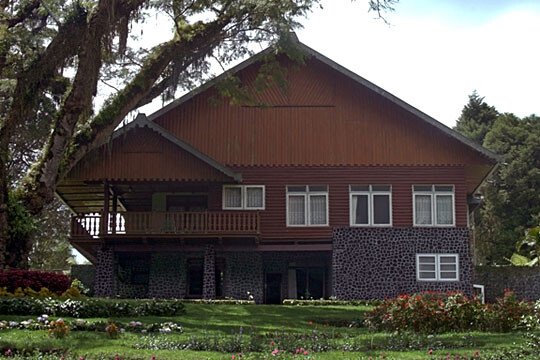
n the Ijen Plateau, there are two plantations managed by PT Perkebunan Nusantara XII — Kalisat Jampit Plantation and Blawan Plantation. Both estates are well known for cultivating Arabica coffee. The Arabica coffee from the Ijen Plateau is internationally recognized as Java Coffee. Its taste is mild, with a balance of bitterness and a slightly sour note, unlike Robusta coffee, which tastes purely bitter. One of the most interesting places to visit in this area is the Jampit Coffee Plantation, which also features a 6-hectare strawberry garden. To reach the plantation, you can start from the three-way junction in Sempol and travel about 14 kilometers. Along the way, you’ll be surrounded by scenic views of coffee plantations stretching across the hills. In the Jampit area, there is a historic building that now serves as a guest house. Although located in a remote area, the Jampit Guest House is well known…